
BEATING ALL COMPETITOR AND COMPETITION PRICING.
How Handicare Technology Actually Works
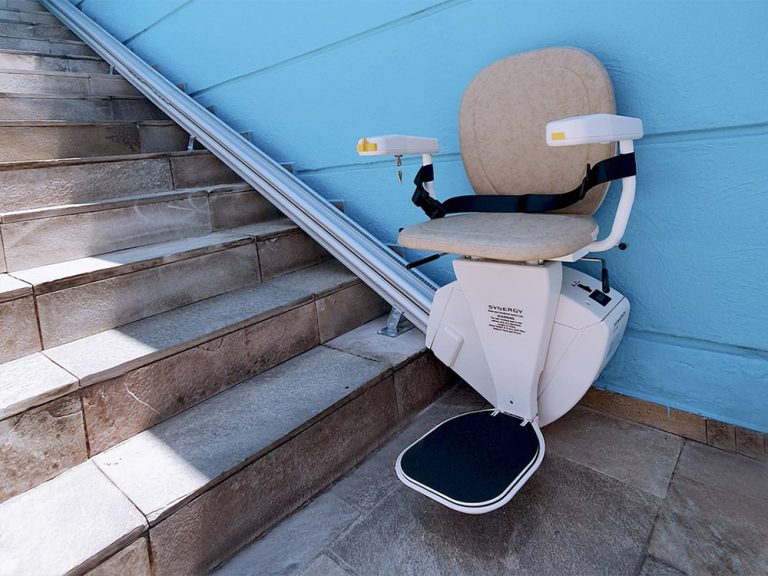
The engineering behind Handicare systems focuses on three core components. First, the rail system uses modular aluminum tracks custom-fitted to your specific staircase. These rails support weights up to 350 pounds while maintaining a slim profile against your wall.
The drive mechanism employs a rack and pinion system. Think of it like a zipper. Teeth on the rail mesh with gears in the motor unit. This creates smooth, controlled movement at approximately 20 feet per minute. Battery backup systems ensure operation during power outages.
Safety sensors stop movement if they detect obstructions. The footrest, seat, and armrests include pressure-sensitive edges. Touch one during operation, and the unit stops immediately.
Straight vs. Curved Staircase Solutions
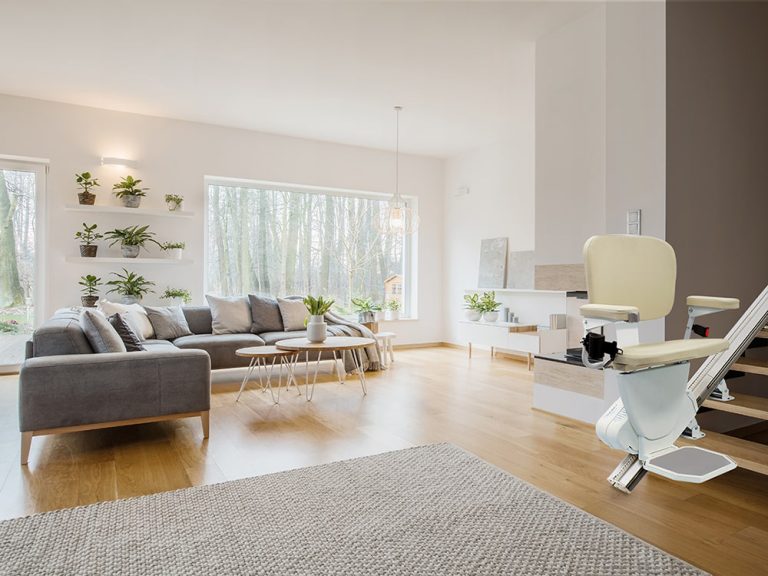
Straight stairlifts represent the most straightforward installation option. The Handicare 1100 model fits standard straight staircases with no turns or landings. Installation typically takes 2-4 hours. The rail attaches directly to stair treads, not walls, preserving your home’s structure.
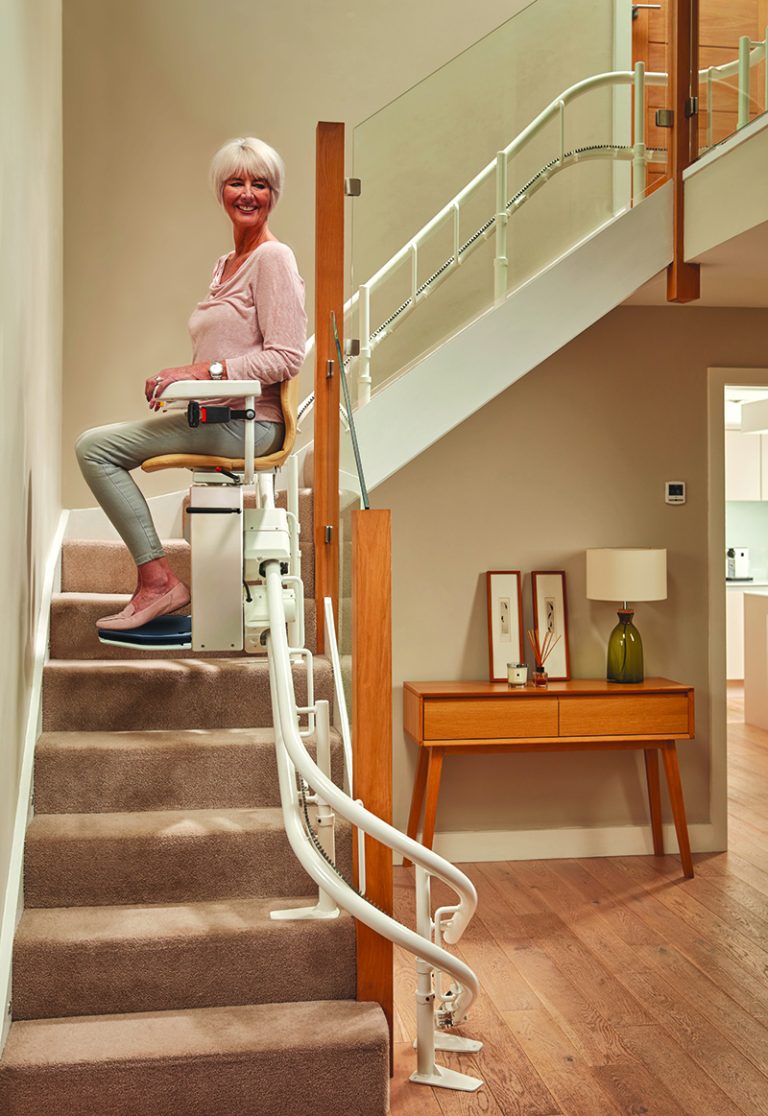
Curved staircases require custom solutions. The Handicare Freecurve system addresses stairs with turns, intermediate landings, or spiral configurations. Engineers create precise measurements using photogrammetry technology. They photograph your staircase from multiple angles. Software converts these images into exact specifications.
Manufacturing curved rails takes 4-6 weeks. Each rail is unique to that specific staircase. No two are identical.
The Van Gogh model represents Handicare’s narrow staircase solution. Its compact design works on stairs as narrow as 24 inches.