
BEATING ALL COMPETITOR AND COMPETITION PRICING.
The Evolution of Brooks Stairlifts in Home Mobility
Brooks emerged from the UK mobility market in the 1980s. The company focused on solving a specific problem. Many stairlifts were too bulky for British homes with narrow staircases.
Their engineering team developed the slimmest rail system available at the time. This innovation meant more people could install stairlifts without major home modifications. The narrow design left more space for other staircase users.
Brooks later became part of Acorn Stairlifts. However, the original Brooks designs continue to influence modern stairlift engineering. Their focus on space-saving solutions changed how manufacturers approach staircase accessibility.
Key Models and Their Distinct Features
Brooks 130 Straight Stairlift
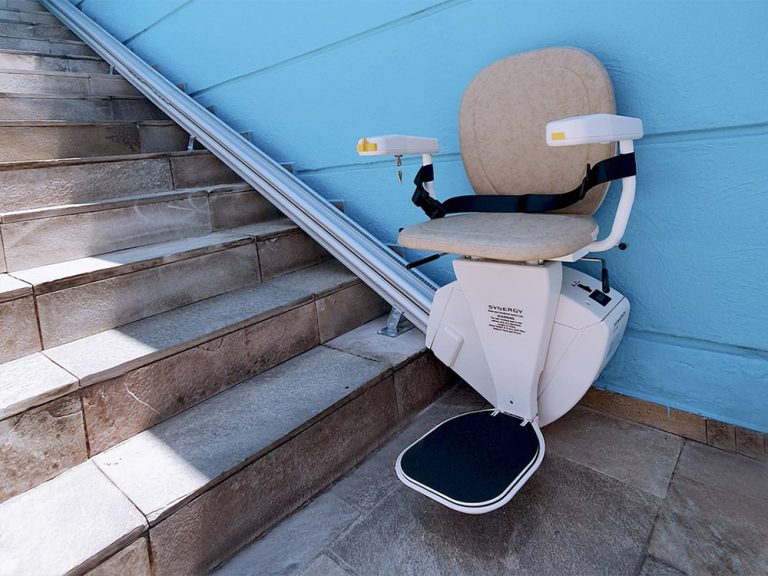
The Brooks 130 handles straight staircases up to 25 feet long. Its rail measures just 2.75 inches from the wall.
The perch seat sets this model apart. Users sit in a semi-standing position. This helps people who struggle to bend their knees fully. The seat height adjusts from 20 to 28 inches.
Safety features include:
– Obstruction sensors that stop movement instantly
– Seat belt with easy-click mechanism
– Lockable swivel seat at 45, 70, and 90 degrees
– Battery backup for power outages
Brooks 180 Curved Stairlift
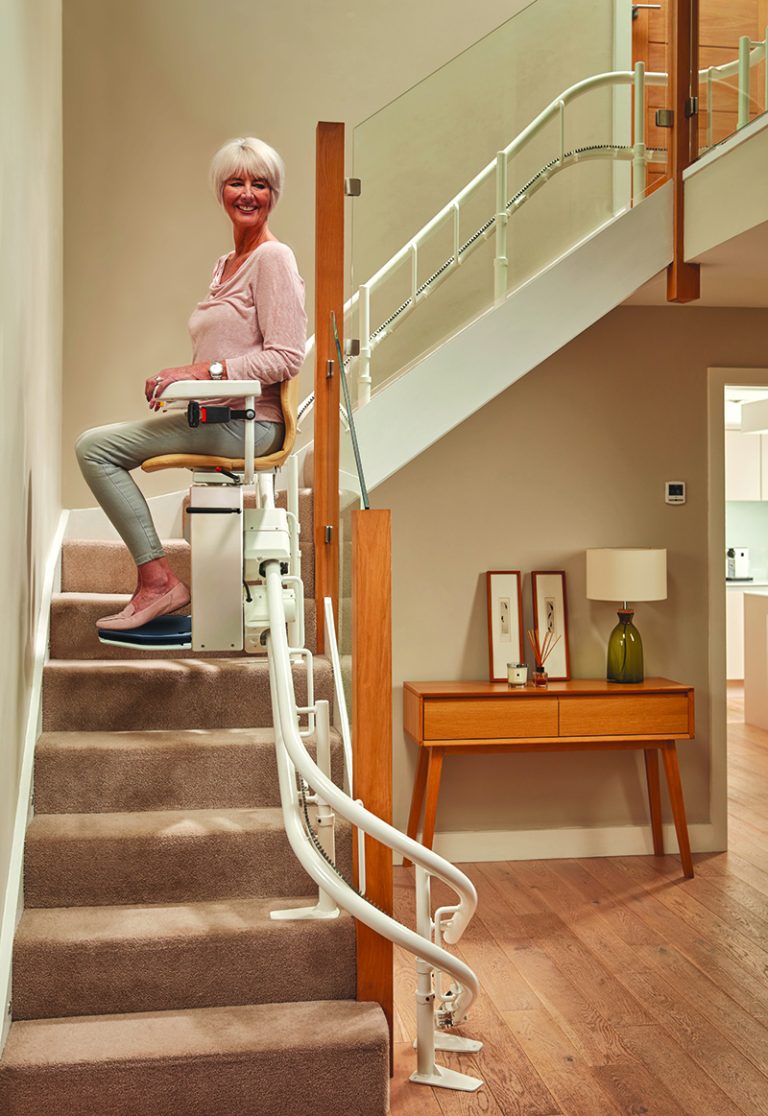
Curved staircases need custom solutions. The Brooks 180 uses modular rail sections. Technicians measure each staircase precisely. They then create a rail that matches every curve and turn.
This model carries up to 300 pounds. The ride feels smooth even around tight corners. The rail system can handle multiple landings and spiral sections.
The footrest folds up completely flat. This matters in homes where every inch counts. The control paddle responds to the lightest touch, making it accessible for users with limited hand strength.