
BEATING ALL COMPETITOR AND COMPETITION PRICING.
The Engineering Behind Atlas Stairlifts
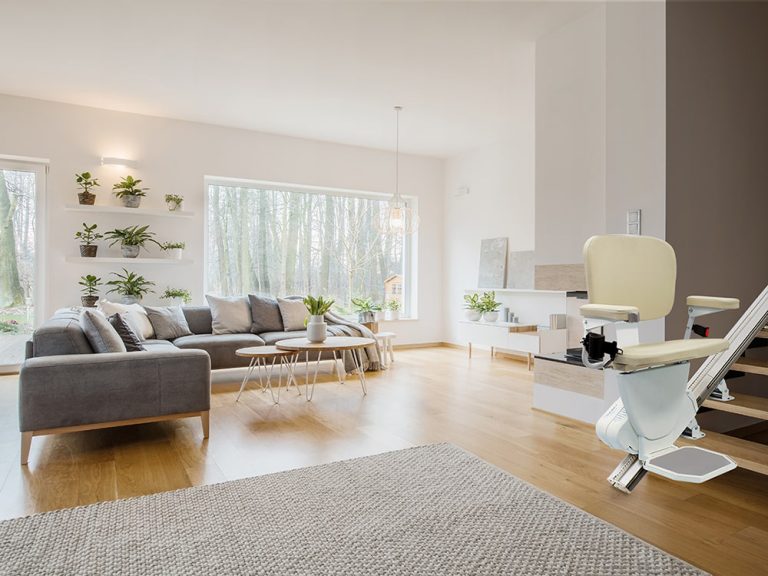
Atlas stairlifts operate on a rack and pinion drive system. This mechanism uses a motorized gear that engages with a toothed rail mounted along the staircase. The design ensures smooth, controlled movement at approximately 0.15 meters per second.
The power system relies on rechargeable batteries. These batteries charge automatically when the lift parks at designated points. During power outages, the battery backup enables continued operation for multiple trips.
Weight capacity varies by model. Standard units support between 250 to 350 pounds. Heavy-duty variants accommodate up to 600 pounds. The aluminum and steel construction provides this strength while maintaining reasonable installation requirements.
Key Safety Features That Matter
Every Atlas stairlift incorporates multiple safety mechanisms. Obstruction sensors stop movement immediately when detecting objects on the stairs. This prevents accidents involving pets, children, or dropped items.
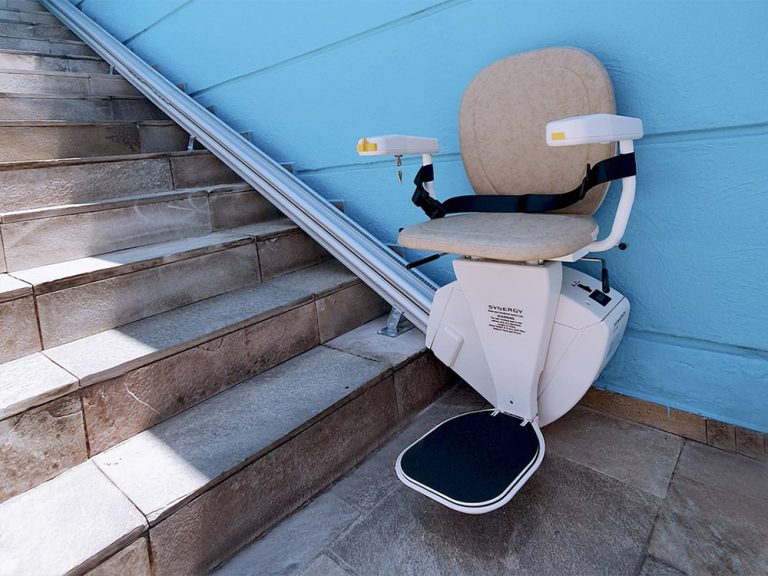
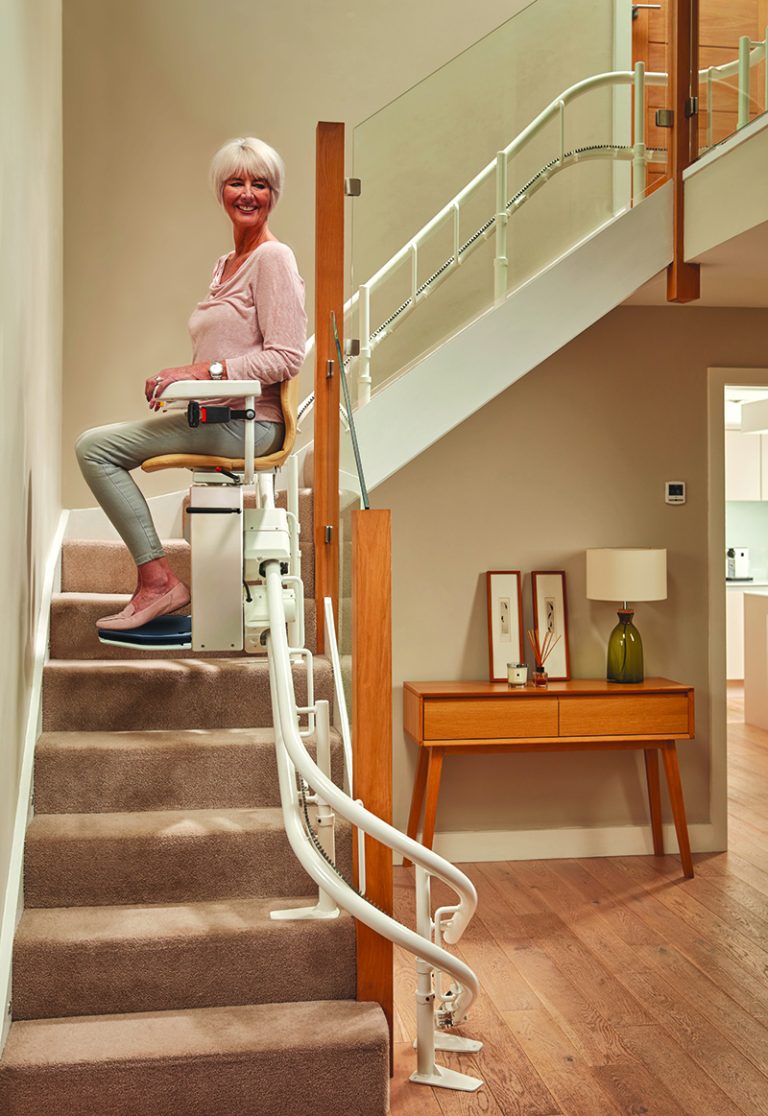
The swivel seat locks in position during travel. It only rotates when the lift reaches the landing. This design element significantly reduces fall risk during entry and exit.
Seatbelts come standard. Some models offer retractable versions similar to automotive designs. Others use simple lap belts for basic security.
The footrest includes anti-slip surfaces. Raised edges prevent feet from sliding off during operation. Safety edges on the carriage itself stop the lift if anything becomes trapped underneath.
Speed governors maintain consistent travel pace regardless of user weight. This prevents sudden acceleration or deceleration that might cause discomfort or anxiety.